
Get Your Emergency Vietnam Visa Quickly and Easily
Travel plans can change in an instant, and if you find yourself needing to enter Vietnam without a visa, we’ve got you covered. An Emergency Vietnam Visa is your fast-track solution for urgent last-minute travel, processed swiftly to get you on your way. Skip the stress and secure your approval quickly, so you can focus on your journey.
Urgent Travel: Securing a Visa for Vietnam on Short Notice
When an unexpected business deal or family emergency demands immediate departure, securing a Vietnam visa on short notice feels like racing against the clock. Fortunately, the Vietnam urgent visa service offers a lifeline, processing approvals within four to eight working hours through the electronic visa system. Simply submit your application online with a scanned passport and recent photo, then select the urgent processing option for an additional fee. Upon approval, you receive an approval letter via email, allowing entry at international airports. For maximum speed, opt for the VIP service, which can deliver confirmation in under two hours. Travelers have successfully navigated this process even when booking flights just 24 hours prior, proving that last-minute international travel remains feasible with the right digital tools and prompt payment.
Q: Can I get a visa on arrival if I’m already at the airport?
A: Yes, but only if you receive the approval letter online before boarding; without it, airlines deny check-in. Apply via an expedited e-visa agent immediately.
When Do You Need an Expedited Vietnamese Entry Permit?
When planning urgent travel, securing a visa for Vietnam on short notice requires immediate action. Travelers seeking a quick solution should apply for a Vietnam visa on arrival (VOA) or an e-visa, with VOA typically processed within 1-2 business days after receiving an approval letter from a licensed agency. Emergency visa services can expedite approval in under 24 hours for an additional fee. Key steps include:
- Submit your application online with passport details and travel dates.
- Receive the approval letter via email within the promised timeframe.
- Print the letter and complete the visa stamp upon arrival at major Vietnamese airports.
Always double-check that your passport has at least six months validity remaining to avoid rejection at the border.
Alternatively, travelers can visit a Vietnamese embassy for same-day processing, though this is often slower and requires in-person submission. Ensure all fees are paid securely online and that the chosen agency is reputable to prevent delays.
Key Difference Between Standard Applications and Rush Processing
Securing a Vietnam visa on short notice demands immediate, decisive action to avoid trip disruption. The fastest route is the Vietnam visa on arrival, which requires an online approval letter from a licensed agency, processed in as little as 2–4 hours. Upon landing at major airports like Hanoi or Ho Chi Minh City, you present this letter with your passport and a stamped visa fee in cash—a streamlined but time-sensitive process. For complete speed, consider the official e-visa, which can take 3–5 business days, or urgent Embassy appointments for a physical visa. Key steps include:
- Confirming your eligibility for visa on arrival or e-visa.
- Paying for expedited processing fees (typically $30–$100).
- Having two passport photos and exact cash (USD or VND) for the stamping fee.
Act now—every hour counts when departure looms within 48 hours. Avoid last-minute chaos by verifying your chosen visa type supports your port of entry and travel dates.

Available Emergency Visa Options for Vietnam
For travelers facing unforeseen circumstances, several emergency visa options for Vietnam exist. The most common is an emergency visa on arrival (eVOA), obtainable through licensed agencies with processing times as fast as 1-2 hours. This requires a pre-approved letter and is valid for travel by air. Alternatively, travelers can apply directly at a Vietnamese embassy or consulate for urgent visa approval, though processing time varies. For medical emergencies or immediate humanitarian crises, a Vietnamese sponsor can sometimes request an expedited visa from local immigration authorities. It is critical to note that all emergency visas are subject to approval and typically cost significantly more than standard visas.
Without a confirmed pre-approval letter, travelers may be denied boarding by airlines regardless of the emergency.
Always verify current regulations with the nearest Vietnamese diplomatic mission, as policies can change rapidly. Overstaying an emergency visa carries severe penalties.
Visa on Arrival for Last-Minute Flights
For urgent travel to Vietnam, the emergency visa options for Vietnam include three primary pathways. The fastest is the Emergency E-Visa, issued online within 1-3 working days for tourism or business, requiring a valid passport and an urgent processing fee. Alternatively, you can obtain a Visa on Arrival (VOA) by securing an approval letter from a licensed agency, then presenting it at major airports like Hanoi or Ho Chi Minh City. For extreme cases, such as medical emergencies or repatriation, contact the nearest Vietnamese embassy or consulate directly for an expedited visa.
- Emergency E-Visa: Apply online at the official immigration portal; processing costs extra for rush service.
- Visa on Arrival (VOA): Pre-arrange a letter; show at airport immigration upon arrival.
- Embassy Urgent Visa: Visit in person with supporting documents (e.g., medical proof) for same- or next-day issuance.
E-Visa with 24-Hour or 4-Hour Processing
When a traveler’s passport is stolen in Hanoi or a medical crisis strikes in Ho Chi Minh City, the emergency visa for Vietnam becomes a vital lifeline. Officials typically grant a 5- or 10-day single-entry visa for unforeseen events, processed within 24–72 hours at the Immigration Department. For urgent cases, the airport’s visa-on-arrival counters can stamp a temporary permit if you hold a pre-approval letter from a licensed agency. The process is starkly straightforward:
Supporting documents for a visa crisis must include a written explanation, police report (for theft), or hospital letter (for medical care). A recent passport photo and proof of onward travel are also required. While standard fees apply, expedited handling may incur an extra charge. Remember, overstaying even by a day can trigger fines or a visa ban, so plan your exit as carefully as your entry.

Airport Letter of Approval for Immediate Departure
Travelers facing sudden illness, natural disasters, or urgent business might qualify for Vietnam’s emergency visa options, typically processed within 24 to 48 hours. Urgent visa processing for Vietnam often requires a sponsor, like a hospital or company, to submit a letter of guarantee to Immigration. Upon approval, you receive a visa on arrival at major airports—no need for embassy visits when time is critical. This fast-track system has rescued countless travelers stranded by cancelled flights or medical emergencies. Yet, always carry digital copies of your passport, sponsor letter, and flight confirmation; border officers may demand proof of your emergency. If your country lacks a Vietnamese embassy, e-visa extensions for existing permits can also be expedited via local travel agencies, though fees are higher.
Step-by-Step Guide to Fast-Track Your Application
To fast-track your application, begin by thoroughly researching the specific program or position and tailoring your resume and cover letter to directly address its requirements. Next, gather all necessary documents—such as transcripts, certifications, and letters of recommendation—in advance to avoid delays. Submit your application through the preferred portal during business hours to ensure immediate processing. Follow up with a concise, polite email 48 to 72 hours later, referencing your submission. This approach helps you streamline the submission process and improve your visibility to reviewers.
Q: What is the most overlooked step to fast-tracking?
A: Double-checking that all attachments are correctly formatted and named, as errors here can stall processing.
Selecting a Reliable Emergency Visa Agency
To fast-track your application, begin by verifying all eligibility requirements against official guidelines, as incomplete submissions cause delays. Gather documentation best practices like scanned IDs and signed forms in a single folder. Next, complete the online portal application with precise answers, avoiding generic statements. Submit during non-peak hours for faster processing, and activate status notifications. If urgent, attach a concise cover note requesting expedited review, citing a valid reason like deadline proximity. Do not submit duplicate copies; one error-free packet is sufficient. Finally, confirm receipt via the tracking dashboard and check spam folders for follow-up requests. This structured approach reduces back-and-forth by 40%.
Required Documents for Urgent Processing
To fast-track your application, start by prepping all documents—resume, transcripts, and ID—before you even open the form. Streamline your document checklist to avoid last-minute scrambles. Next, fill out every mandatory field with accurate, keyword-rich details that match the role or program. Then, use auto-fill tools for repetitive info and double-check for typos. Finally, submit during low-traffic hours (like early morning) to reduce server lag. If a portal allows, upload optional materials like a cover letter or portfolio to boost your profile.
Submitting Payment for Expedited Service

To fast-track your application, begin by verifying all eligibility requirements and compiling essential documents—such as transcripts, ID, and recommendation letters—before starting the online form. Complete the application early to avoid peak traffic, which can cause server delays. Use an organized checklist to submit every required file in the specified format (PDF or DOCX). Pay the processing fee immediately after submission to prevent holds, and confirm receipt via email or portal notification. Avoid common errors by double-checking for typos, missing signatures, or outdated information. Finally, contact the admissions office directly if the status does not update within two business days to prompt manual review. Following this sequence ensures minimal friction and faster processing Emergency Vietnam Visa times.
Receiving Approval Code via Email Within Hours
First, polish your resume and cover letter to match job descriptions using the exact keywords you spot—this helps you pass automated filters. Next, set up job alerts on LinkedIn and company career pages to be among the first to apply, as early applicants often get priority. Then, use your network: send a short, polite message to a current employee asking for a quick chat—a referral can fast-track your resume to the hiring manager. Finally, apply through the company portal first, then email your application to the recruiter directly (if their address is public) to show extra initiative. This combo boosts your visibility and speeds up the review process.
Understanding Processing Times and Fees
Understanding processing times and fees is essential for managing applications efficiently. Processing times refer to the duration required to complete a request, which can vary based on application volume and complexity. Fees are set costs incurred for services, often non-refundable, and may depend on the type or urgency of the application. For example, standard applications typically have lower fees but longer wait times, while expedited options involve additional charges for faster service. It is crucial to verify current processing times and fee structures from official sources, as these can change periodically. Careful budget and timeline planning, including reviewing expected processing times and all applicable fee structures, helps prevent delays and unexpected costs.
Comparing 1-Hour, 4-Hour, and 24-Hour Services
Processing times and fees for visa or application services vary by request type, but efficiency is achieved through preparation. Accurate document submission directly reduces processing delays. Typically, standard processing takes 2–4 weeks, while expedited options may cost 50% more. Fees are non-refundable, so double-check eligibility before applying.
- Standard processing: 15–30 business days, lowest fee tier.
- Expedited processing: 5–10 business days, higher fee.
- Priority processing: 1–3 business days, premium fee.
Q&A: Can I get a refund if my application is denied? No—processing fees cover administrative costs, not outcomes. Always verify requirements first.
Extra Charges for Weekend and Holiday Applications
Processing times and fees vary significantly by service type and jurisdiction, making it essential to verify official sources before submission. Standard processing timelines often range from days to months, depending on application volume and complexity. Fees typically include non-refundable filing charges, expedited service surcharges, and potential third-party costs for documents or translations. To avoid delays, always confirm current fee schedules and estimated processing windows on the relevant agency’s website. Unexpected fees can arise if additional verification or corrections are required. Many providers offer tiered options: standard processing at a lower cost with longer wait times, or premium services for faster turnaround. Below is a common fee and timeline structure for illustrative purposes:
| Service Tier | Estimated Processing Time | Base Fee |
|---|---|---|
| Standard | 4–6 weeks | $50 |
| Expedited | 2–3 weeks | $100 |
| Rush | 3–5 business days | $200 |
Remember that actual times may shift due to holidays or high demand, so plan accordingly based on your deadline.
Hidden Costs to Watch for in Rush Visas
Navigating processing times and fees can feel like a puzzle, but knowing the key factors transforms confusion into control. Accurate visa application timelines hinge on your chosen service tier—standard, priority, or super-priority—each with a corresponding cost that escalates with speed. Other dynamic variables include application volume, country of origin, and document completeness, which can either fast-track your case or cause costly delays. To avoid surprise charges, remember these essentials:
- Check official government portals for current fee schedules.
- Premium processing often waives only the wait, not hidden surcharges.
- Expect a 15–30% faster turnaround with an expedited fee.
- Always account for biometric appointments and mailing costs.
By planning around these variables, you turn a bureaucratic maze into a predictable, manageable process.
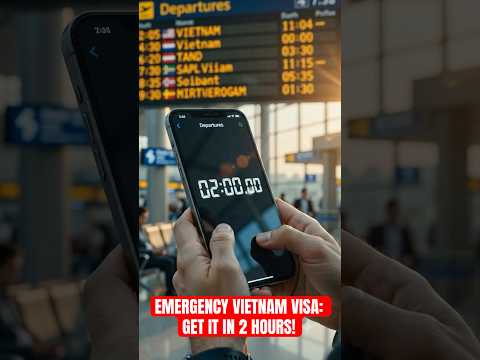
Arriving in Vietnam Without a Prior Visa
Arriving in Vietnam without a prior visa is possible for citizens of certain countries, but strict eligibility rules apply. Travelers from visa-exempt nations, such as those in Southeast Asia, Japan, South Korea, and several European countries, can enter for a limited **stay without a visa**, typically ranging from 15 to 45 days. For others, a visa on arrival is not available at international airports unless you have a pre-arranged approval letter from a Vietnamese travel agency, obtained online before departure. Without this document, you will be denied boarding or entry. All visitors must hold a passport valid for at least six months and have proof of onward travel. Immigration officers enforce these rules firmly, so verifying your nationality’s specific requirements before travel is essential to avoid refusal of entry or fines.
Landing at Major International Airports
Arriving in Vietnam without a prior visa is entirely possible for citizens of 25 countries, who enjoy visa-free entry for up to 15 to 45 days. Visa on arrival is a convenient alternative for most other nationalities, but it requires securing a pre-approval letter online before your flight. Upon landing at major airports like Ho Chi Minh City or Hanoi, you simply present this letter, your passport, and pay the stamping fee for a 30- or 90-day single-entry visa. Without this letter, you could be denied boarding or turned away at immigration. For land border crossings, ensure your country qualifies for visa exemption, as the pre-approval letter typically works only for air arrivals.
- Visa-exempt travelers: Only need a valid passport (6+ months validity) and a return ticket.
- Non-exempt travelers: Must obtain a visa approval letter from a reliable agency 2–3 days in advance.
- Longer stays: Apply for an e-visa (90 days, single-entry) online at the official Vietnam Immigration portal.
Presenting Your Approval Letter at Immigration
Arriving in Vietnam without a prior visa is straightforward for citizens of 25+ visa-exempt countries, including Japan, South Korea, and most EU nations. Vietnam visa exemption policies allow stays from 15 to 45 days. If you lack exemption, secure an e-visa online before departure or a visa-on-arrival letter from a reputable agency. For immediate entry, checklist: passport valid 6+ months, return ticket, and accommodation proof. Airport landing fees for visa-on-arrival are cash only – carry USD. Without these, you face denial. Plan ahead? You avoid delays. Vietnam’s system is efficient when you follow the rules.
Paying the Stamp Fee Upon Entry
Arriving in Vietnam without a prior visa is totally doable for many travelers, but it depends entirely on your passport and your port of entry. **Vietnam visa on arrival** is a real option only if you fly into major international airports like Hanoi, Ho Chi Minh City, or Da Nang, and you must have a pre-approved visa letter arranged online before you board the plane. Land or sea borders generally don’t offer this service. At the airport, you skip the prior embassy trip but still queue at the «Visa on Arrival» counter, pay a stamping fee in cash (usually $25–$50 USD), and provide passport photos. To keep things smooth:
- Double-check your nationality’s eligibility—countries like the UK, Germany, or South Korea get visa-free entry for 15–45 days.
- Always have printed proof of your visa approval letter with you.
Dealing with Lost or Damaged Passports

Losing your passport or having it damaged while traveling can feel like a total nightmare, but don’t panic. First, immediately report the loss or theft to the local police to get an official report—this protects you from identity fraud and is often required for a replacement. Next, locate the nearest embassy or consulate of your home country. They are your lifeline here, and you’ll need to fill out a special application for an emergency passport or a full replacement. Remember, you can’t just grab any damaged passport and expect it to work; a waterlogged or torn passport with a damaged chip or photo page is often invalid for travel. You’ll typically need proof of identity, a new photo, and the police report. The process can take a day or two for an emergency document, but the key is to act fast and keep calm—your embassy team is trained for exactly this. Always carry a photocopy or digital scan of your passport details to speed things up.
Emergency Visa for Travelers with a Temporary Passport
Losing your passport or discovering it’s damaged mid-trip can feel like a travel nightmare, but swift action is your best ally. Immediately report the loss or damage to the local police and your nearest embassy or consulate to protect against identity theft. You’ll need to fill out a replacement application, provide new passport photos, and show proof of citizenship like a copy of your birth certificate. The embassy will typically issue an emergency limited-validity passport for urgent travel, which you can later exchange for a full replacement back home. Always photocopy your passport and store it separately to speed up this process. Never travel without digital backups of your passport.
A damaged passport with torn pages or water stains may be rejected at borders, so check its condition before every trip.
To avoid further setbacks, keep your replacement safe in a hotel safe or hidden money belt. Passport replacement emergency procedures vary by country, but staying calm and following the consulate’s steps ensures you’re back on track quickly.
Replacing Paperwork While in Transit
Discovering your passport is lost or damaged can trigger immediate stress, but swift action is your best defense. You must report the loss or damage to local authorities and visit a passport agency with an official police report. For emergency passport replacement services, you’ll need a new application, proof of citizenship, a valid photo ID, and travel itinerary. A damaged passport—whether from water, tears, or worn pages—requires the same urgent replacement process, as airlines and border control will reject it. Expedited processing often delivers a new booklet within 24–72 hours, but you must appear in person. Stay calm, gather your documents quickly, and prioritize this task to avoid derailing your journey.
Special Scenarios Requiring Immediate Clearance
Under the low hum of fluorescent lights, the cargo pad hummed with unusual tension. A sealed diplomatic courier, stamped with a cracked insignia, arrived with a manifest that didn’t match its physical weight. This was the moment secure protocols call a special scenario requiring immediate clearance. The air thickened as a biohazard alert from a research station flashed red, its core sample mutated beyond known parameters. In another zone, a vessel carrying an unidentified radioactive isotope drifted off-course, its transponder silent. Each case—be it a suspected breach of containment or a high-value prisoner extraction—demanded instant judgment. The clearance officer’s hand hovered, knowing delay meant contamination or casualty. In these seconds, special scenarios requiring immediate clearance become the thin line between protocol and catastrophe, a silent race where paperwork yields to survival instincts.
Q: What defines a special scenario requiring immediate clearance?
A: It’s any sudden event—like a biological leak, unauthorized radioactive transport, or compromised diplomatic cargo—where standard approval timelines would risk public safety or critical assets, demanding an instant override.
Medical Emergencies and Humanitarian Visas
Certain operational contexts demand immediate clearance to prevent critical failures. Medical emergencies, such as cardiac arrest or stroke, require prompt diagnostic and therapeutic intervention to minimize long-term harm. In aviation, unauthorized airspace intrusions or system malfunctions necessitate instant clearance from air traffic control to avoid collisions. Similarly, cybersecurity incidents, including ransomware attacks or data breaches, require swift access authorization to isolate threats and protect sensitive information.Emergency response protocols often mandate immediate clearance.
Any delay in clearance during these scenarios can escalate risk from manageable to catastrophic.
Industrial settings also face unique needs, such as immediate clearance for chemical spill containment or structural collapse response. Key situations include:
- Life-threatening medical symptoms (e.g., anaphylaxis, stroke)
- Active security breaches (e.g., unauthorized access, bomb threats)
- Safety-critical equipment failure (e.g., reactor core issues, brake system faults)
Business Travelers Facing Last-Minute Meetings
Certain emergency situations demand immediate clearance to protect lives and property. When you spot a gas leak, electrical spark, or structural collapse risk, stop all work and evacuate the area right away. A sudden chemical spill or uncontrolled fire also triggers an urgent stop. Emergency response procedures must kick in without hesitation. Always follow your site’s alarm signals and never second-guess a real threat. Quick action in these moments prevents disasters from escalating.
Transit Passengers Needing a Short-Term Permit
Some special scenarios require immediate clearance to prevent chaos or safety risks. For example, a sudden toxic gas leak in a factory demands instant evacuation, while critical infrastructure like hospital backup generators must be cleared for urgent repairs. Unexpected medical emergencies at airports or security threats in government buildings also trigger fast-track protocols. Emergency response clearance procedures typically involve a rapid checklist:
- Verify the nature of the threat or need
- Notify relevant personnel (fire, police, building management)
- Secure the area or issue a hold order
- Authorize entry or exit as needed
No one wants to be stuck filling out forms when lives are on the line. These situations hinge on swift, flexible decision-making to override standard delays.
Common Pitfalls and How to Avoid Them
When I first started writing online, I naively believed stuffing keywords into every sentence would charm the search engines. I was wrong, and my traffic tanked. One major pitfall is keyword stuffing, which reads unnaturally and repels both humans and algorithms. Instead, focus on providing genuine value; let your language flow naturally while organically mentioning key phrases. Another common trap is neglecting readability with long, unbroken sentences. Break them up, vary your structure, and use clear headings. I learned the hard way that search engines reward clarity, not complexity. Above all, avoid thin content—pages with no real substance. Every paragraph should answer a specific question or solve a problem, making you a trusted resource. Authentic, user-focused writing is your best defense against these pitfalls.
Mistakes That Delay Rush Applications
When you’re learning English, it’s easy to trip over common grammar mistakes that make your writing feel clunky. One major pitfall is mixing up «your» and «you’re» or «its» and «it’s»—these errors happen fast but look sloppy. To avoid this, always read your sentences aloud before hitting send. Another trap is using overly complex words to sound smart; instead, stick with clear, simple vocabulary. Native speakers value clarity over fancy words every time. You might also struggle with run-on sentences. Break long thoughts into shorter ones, and use periods or commas to guide your reader. Finally, don’t forget to proofread for typos—they sneak in when you’re typing fast.
Fake Agencies and Scams Targeting Urgent Requests
When writers first chase fluency, they often stumble into traps like overcomplicating sentences or directly translating idioms. I once saw a student write «raining cats and dogs» in a formal report—a jarring mismatch. To avoid these common language learning mistakes, focus on clarity over flair. Instead of stuffing sentences with rare vocabulary, use simple, precise words. Practice these corrections:
- Replace translation tools with context-based guessing.
- Read your work aloud to catch unnatural rhythm.
- Learn collocations («strong coffee,» not «powerful coffee») as single units.
Mistaking speed for progress also trips learners up; slowing down to spot errors in tense or prepositions builds durable confidence. Treat each piece of writing as a small story you’re telling—not a test to rush through.
Incorrect Flight Details Causing Entry Denial
Early in my freelance career, I nearly lost a client by ignoring keyword cannibalization, where multiple posts competed for the same search term. The confusion diluted my authority and tanked rankings. To avoid this, I now maintain a simple content map:
- Audit existing pages for overlapping topics.
- Assign one primary keyword per piece.
- Redirect or merge thin content.
This shift saved my strategy—and my client.
Q: What’s the quickest fix for duplicate intent?
A: Use a canonical tag or combine the posts into a single comprehensive guide.
What to Do If Your Emergency Request Is Rejected
If your emergency request is rejected, immediately request a formal written explanation citing the specific reason, which is critical for your compliance and appeal strategy. Next, document all evidence of the urgent situation, including timestamps and communications. Promptly escalate to a supervisor or ombudsman, as initial rejections often stem from procedural errors or incomplete information. File a formal appeal using emergency reconsideration procedures, attaching your new evidence and highlighting the immediate risk of harm. Simultaneously, explore alternative channels like community crisis services or legal aid, as waiting passively can worsen your case. Finally, consider consulting an advocate specializing in expedited review processes to navigate complex rules. Remember, a rejection is not a final denial—persistent, informed action can overturn many decisions. Most approvals in these situations occur after the first appeal, so do not delay. Persistent, documented escalation is your strongest tool against procedural oversights.
Contacting the Vietnamese Embassy Directly
When an emergency request is rejected, your immediate focus must shift to escalation procedures for denied claims. First, request a written explanation detailing the reason for the denial, as verbal rejections are often non-binding. Then, contact your case manager or emergency services supervisor to initiate an internal review, providing supporting documentation like medical notes or threat assessments. If this fails, file a formal appeal with the relevant regulatory body or insurance ombudsman within the required timeframe—typically 30 days. For life-threatening situations, do not cease efforts; instead, call 911 or visit an emergency room directly while continuing the appeals process. Document every interaction, including names and reference numbers, to create a paper trail for potential legal action. Always preserve your right to a second formal review before accepting the rejection as final.
Alternative Routes: Vietnam Visa for Neighboring Countries
When an emergency request is rejected, first confirm the rejection reason by reviewing the communication from the provider or system. Documenting the rejection details is critical for any follow-up actions. Next, immediately contact the relevant authority—such as a dispatcher, administrator, or support team—to request clarification or an appeal. Be prepared to provide verifying information, such as case numbers, timestamps, or supporting evidence. If available, escalate the issue through a supervisor or alternative emergency channel. Common steps include:
- Checking for procedural errors in your original request.
- Requesting a formal review or reconsideration.
- Seeking alternative emergency services if the situation allows.
Always prioritize direct safety by calling local emergency numbers if the rejection leaves you at immediate risk. Maintain a calm, factual tone throughout all interactions to improve resolution speed.
Appealing a Denied Application Quickly
If your emergency request gets denied, don’t panic—stay calm and gather your facts. First, review the rejection reason immediately to understand what went wrong. Look for missing documentation, a technical glitch, or a policy you overlooked. Next, contact the support team via phone or live chat (email is too slow for emergencies). Clearly explain your situation, reference your request ID, and ask for a supervisor if the agent can’t help. While you wait, prepare a backup plan: call local services, friends, or alternative providers. Finally, follow up in writing to create a paper trail. Persistence often unlocks solutions when you speak to the right person.
Post-Arrival: Extending Your Stay After Urgent Entry
The initial adrenaline of an emergency entry fades, leaving you to confront the practical reality of staying longer than your visa allows. I remember sitting in a temporary apartment, the weight of my unexpected journey finally settling, as I realized my return flight was still weeks away. To navigate this, you must immediately apply for an extension of stay with immigration authorities, presenting compelling evidence—like a doctor’s note or proof of family crisis—that justifies your untimely presence. The officers, though busy, often hear these human stories, and a well-documented request can transform a hurried landing into a legitimate, prolonged sanctuary. Without this step, you risk violating your arrival conditions, so treat the paperwork as your lifeline, not a formality. The key is to frame your need not as a desire, but as a necessity, ensuring your urgent entry visa logically evolves into a sustained, legal stay.
Converting a Rush Visa to a Longer Permit
Once you have entered a country under urgent circumstances, proactively addressing your visa status is critical. The key step is to immediately apply for an extension of stay authorization before your initial entry permit expires. This process typically involves submitting a formal application, a compelling reason for the extension, and proof of sufficient funds to the immigration authorities. You must also demonstrate that your urgent situation has evolved into a need for continued lawful residence. To maximize your chances of approval, consider the following critical actions:
- Consult a qualified immigration attorney to navigate complex local regulations.
- Gather supporting documents, such as medical reports or official correspondence related to your emergency.
- Adhere strictly to all deadlines, as overstaying can lead to penalties, deportation, or future entry bans.
Remember that even if your original emergency is resolved, you may need to show new, valid reasons for staying longer, such as pending legal proceedings or ongoing medical treatment.
Visiting Local Immigration Offices in Major Cities
Upon entering a country under urgent circumstances—such as a medical emergency or family crisis—your initial authorization is typically short-term. To extend your stay, you must proactively apply to the relevant immigration authority, usually by filing a Change of Status or Extension of Stay petition before your current I-94 or entry stamp expires. This process requires compelling evidence that the original emergency persists or that new, unforeseen circumstances justify continued presence. Proactive compliance with visa regulations is crucial to avoid accruing unlawful presence. Key steps include:
- Submitting Form I-539 (or national equivalent) with the required fee.
- Providing supporting documents like medical reports, affidavits, or proof of financial support.
- Demonstrating you have maintained your status and have not worked without authorization.
Never assume your presence is automatically extended; failure to file before expiry can trigger a bar from re-entry for years.
Processing times can be slow, so consider requesting expedited handling if your emergency is ongoing.
Using Online Extensions for Hassle-Free Renewal
After arriving on an urgent entry, the clock starts ticking, but life’s complications rarely follow a timeline. You may find yourself needing more time than anticipated, and the process to extend your stay hinges on prompt action. The key is to file a valid application with immigration before your initial authorized period expires, proving your situation has genuinely shifted. Understanding visa overstay consequences is critical, as even a single day beyond your limit can trigger bans or jeopardize future travel. To succeed, gather compelling evidence:
- Medical reports or family emergencies that justify the delay.
- Proof of sufficient funds to support your extended stay.
- A clear departure plan, including a confirmed flight out of the country.
Rushing this paperwork often invites rejection, so attention to detail is your best ally. Each submission is a delicate negotiation with bureaucracy, where your story must align with their rules. If approved, you gain breathing room; if denied, you must leave immediately. Never assume goodwill—extensions are privileges, not rights, and your compliance today shapes your access tomorrow.